Police watchdog in New Brunswick and Nova Scotia hiring Indigenous investigator
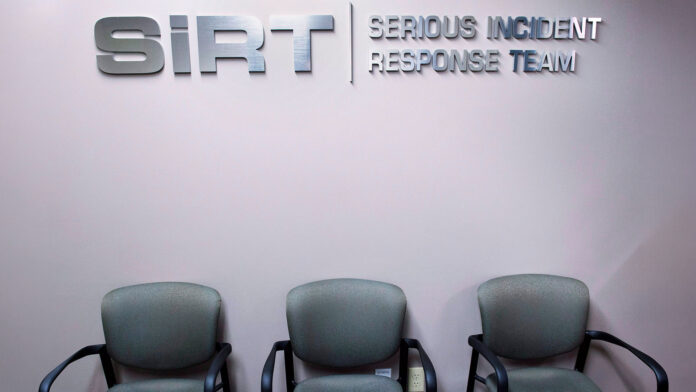
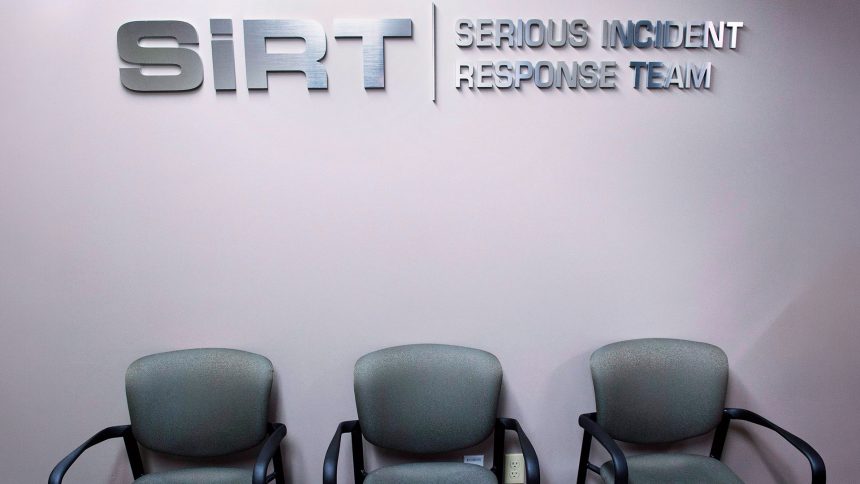
A police watchdog in Atlantic Canada is hiring an Indigenous investigator after years of advocacy by First Nations communities reeling from a series of officer-involved deaths. The Serious Incident Response Team, which serves Nova Scotia and New Brunswick, says it created the new position to build trust in police by including Indigenous perspectives. The watchdog, known as SIRT, investigates incidents of death, serious injury, sexual assault or intimate partner violence that may have resulted from the actions of a police officer. Police actions have come under increased scrutiny in recent years due to a flurry of tragic deaths. Four Indigenous people have been killed by police officers in New Brunswick since 2020, including Bronson Paul, who was fatally shot by RCMP in January. The agency’s director Erin Nauss said Monday the new officer will engage with Indigenous communities, co-ordinate a community liaison program, support affected families and assist in investigations. The creation of the liaison and investigation role comes after years of calls by First Nations leaders for more Indigenous representation in police oversight work. “We understand the importance of representation on our team … so we were very pleased to receive government funding from the province of New Brunswick specific for this role,” Nauss said by phone. The Indigenous officer will be crucial as the incident response team looks to build a relationship with First Nation communities distrustful of police. “It’s important they know who we are, why we’re here and that we understand the communities that we’re working in. So this position will be integral in developing that relationship.” She added the role was developed in collaboration with Wolastoqey Tribal Council and the Mi’gmawe’l Tplu’taqnn, among other First Nations groups. Chief Allan Polchies, speaking on behalf of the Wolastoqey Chiefs, said he was “encouraged to see movement” on embedding more Indigenous representation within SIRT. “More work is needed and we will continue to advocate for meaningful, lasting changes that foster true reconciliation in Canada’s justice system,” he added in a statement to The Canadian Press. Police have not faced any criminal charges after the four shooting deaths of Indigenous people in New Brunswick over the last six years. Chantel Moore, an Indigenous woman, was shot and killed by an Edmundston police officer during a wellness check in northwestern New Brunswick, in June 2020. Police said the officer encountered a “woman holding a knife who made threats,” and fired a weapon. Moore, of British Columbia, was pronounced dead at the scene. Prosecutors ruled out criminal charges against the officer following an investigation by Quebec’s independent police watchdog. Days later, 48-year-old Indigenous man Rodney Levi was shot and killed by a police officer during a barbecue near Metepenagiag Mi’kmaq Nation. The Mounties said they were dispatched after a complaint about an “unwanted person.” Police said they found Levi carrying knives and were unable to subdue him with a stun gun. An officer discharged a firearm and the Mi’kmaq man was later declared dead. Steven (Iggy) Dedam was shot and killed by New Brunswick police during a wellness check at Elsipogtog First Nation in September 2024. Police say they found an armed man in mental distress in his home and were unable to subdue him with a stun gun. Dedam’s death was one of six First Nations deaths involving police across Canada between August and September 2024. The cases prompted an emergency debate in the House of Commons and triggered calls for more police accountability. Paul, the man shot in January, was killed after Mounties responded to what they said was a “domestic dispute” at a residence in Neqotkuk First Nation. Police have said an officer shot him after an unsuccessful attempt to subdue him with a conducted energy weapon. Police also said the man was carrying an edged weapon. He died in hospital. Each death triggered more calls for police accountability and justice reform. Earlier this year, New Brunswick’s Indigenous Affairs Minister Keith Chiasson said early talks on an Indigenous-led public inquiry into systemic racism were underway. Nauss said the liaison officer will be charged with ensuring future investigations are transparent and address concerns raised by Indigenous communities as it relates to police oversight. “They’ll also assist at scenes of incidents that impact Indigenous people or communities … advising our team on culturally relevant considerations, making sure that we include Indigenous perspectives and knowledge throughout the investigative process,” she said. The watchdog says the new officer will be appointed by the Nova Scotia cabinet for a five-year term and preference will be given to candidates with knowledge and connection to the Indigenous cultures of First Nation communities in New Brunswick. The Indigenous liaison officer will receive a salary of up to about $127,000 annually, according to a biweekly salary range included on the job posting. While the posting lists the location as Fredericton, the incident response team says in a description that the new hire will be required to travel throughout New Brunswick, Nova Scotia and possibly even Prince Edward Island. It adds the officer may also work irregular working hours, including nighttime and weekend work, and be on-call. The application closes Tuesday and Nauss said the new officer should start sometime this fall. Story by Eli Ridder with files from Lyndsay Armstrong and Michael MacDonald in Halifax. Continue Reading