Popular beach in Halifax closed indefinitely after blue-green algae outbreak
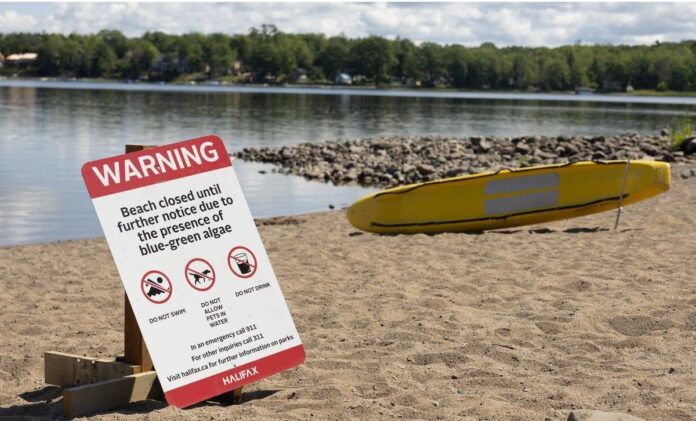
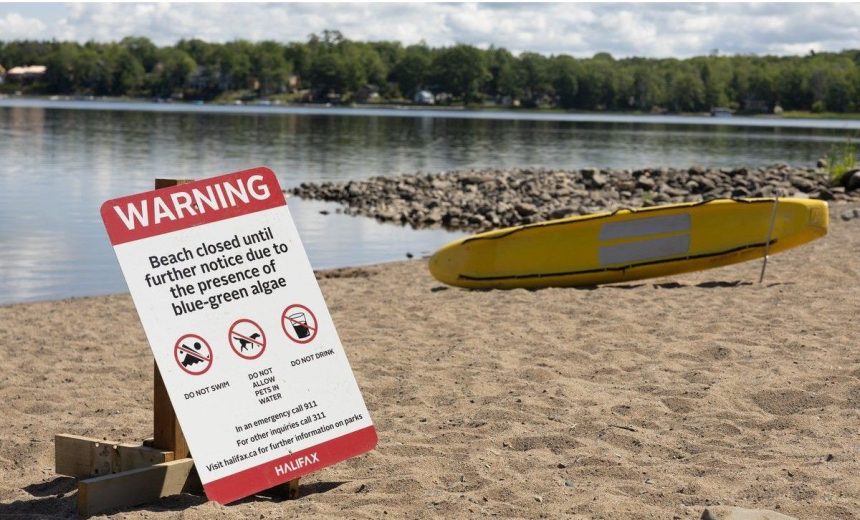
A sign tells visitors at Oakfield Provincial Park that the beach is closed due to the presence of blue-green algae on Wednesday. Photo by Ryan Taplin /The Chronicle HeraldArticle contentOne of the busiest public lakefront beaches in the Halifax Regional Municipality will be closed indefinitely because of blue-green algae.THIS CONTENT IS RESERVED FOR SUBSCRIBERS ONLY.Subscribe now to access this story and more:Unlimited access to the website and appExclusive access to premium content, newsletters and podcastsFull access to the e-Edition app, an electronic replica of the print edition that you can share, download and comment onEnjoy insights and behind-the-scenes analysis from our award-winning journalistsSupport local journalists and the next generation of journalistsSUBSCRIBE TO UNLOCK MORE ARTICLES.Subscribe or sign in to your account to continue your reading experience.Unlimited access to the website and appExclusive access to premium content, newsletters and podcastsFull access to the e-Edition app, an electronic replica of the print edition that you can share, download and comment onEnjoy insights and behind-the-scenes analysis from our award-winning journalistsSupport local journalists and the next generation of journalistsRegister to unlock more articles.Create an account or sign in to continue your reading experience.Access additional stories every monthShare your thoughts and join the conversation in our commenting communityGet email updates from your favourite authorsSign In or Create an AccountorArticle contentThe water at the highly popular Oakfield Provincial Park on Grand Lake near Enfield is off limits for recreational use after city officials detected a cyanobacteria bloom, more commonly known as blue-green algae.Article contentArticle contentThe toxic scum is unhealthy for humans and pets to swim in and can be especially dangerous if ingested. Skin and any unprotected orifices can become irritated from exposure and it’s common for people to get sick if they swallow any of the compromised water.Article contentArticle contentIn extreme cases, dogs can die from drinking water that contains the algae. A dog died in 2021 after an exposure at Grand Lake.Article content A medium-density bloom of blue-green algae near the shoreline of a lake in Nova Scotia. – SUPPLIED BY THE NOVA SCOTIA GOVERNMENT ContributedArticle contentHRM officials circulated the following extensive list of precautions on Tuesday:Article content“Avoid water contact. If contact occurs, towel off vigorously and wash with tap water as soon as possible. Do not swim or wade (or allow your children or pets to swim or wade) in any areas where blue-green algae is visible or in areas that have been closed to swimming due to possible blue-green algae. Keep pets on-leash and do not allow them to consume blue-green algae material.Article content“Avoid consuming water from this lake. Avoid consuming fish that has come from this lake. People who come in contact with blue-green algae blooms or ingest water containing blue-green algae blooms may experience skin irritation, rash, sore throat, sore red eyes, swollen lips, fever, nausea, vomiting and/or diarrhea. Children and immune-compromised individuals are at a higher risk. If you have these symptoms, please seek medical assistance.”Article contentArticle content An example of a planktonic blue-green algae bloom. – SUPPLIED BY THE NOVA SCOTIA GOVERNMENTArticle contentAlthough Oakfield Park is a small area on the east side of the large lake, it’s common sense for others, like boaters and all lakefront residents, to heed the warnings as well. Testing is conducted at all municipally supervised beaches, but there are countless other lakes, ponds and rivers that are unmonitored.Article contentIt is far more uncommon for blue-green algae to grow in salt water, especially if it is moving and not connected to any nearby sources of fresh water.Article content“When a blue-green algae bloom or mat is observed, a beach closure is issued and initial testing is done to determine whether it is a toxin-producing algae bloom is,” read another part of the HRM news release.Article content“If it is not a toxin-producing algae bloom, no further testing is required and the beach will be reopened. A public service announcement will be issued once the beach has reopened.Article content An example of a decaying planktonic blue-green algae bloom. – SUPPLIED BY THE NOVA SCOTIA GOVERNMENTArticle content“If it is a toxin-producing blue-green algae bloom, further testing will be carried out and the beach will remain closed until blooms have disappeared and post-bloom test results indicate the toxin concentration is within Health Canada guidelines.”Article contentThe likelihood of other blooms is higher at the moment because of the latest weather conditions in Nova Scotia.Article contentCycles of rain and heat, combined with low winds, increase the chances of growth in shallow, still water. Blooms typically present closer to shore.Article content The beach at Oakfield Provincial Park on Wednesday. The beach is currently closed due to the presence of blue-green algae. Photo by Ryan Taplin /The Chronicle HeraldArticle contentOakfield Park is the only full closure in HRM at the moment, but there are water quality advisories in place at Kearney Lake Beach, Long Pond Beach and Springfield Lake Beach. Water safety at HRM beaches is monitored between July 1 and September 1.Article content